Online
Deceptive
_PJHIzDB36KKMAGeJXIvgo.gif?width=2048&quality=80&format=auto)













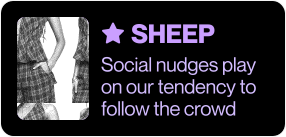
Shopping
Patterns
Attention deficit
We love a bargain. We're busy. Our attention is precious. The ultra-fast fashion industry emerged to meet us exactly where we are: on our phones, late at night, seeking that thrill that comes with finding something new.
Over the past 20 years the amount of clothes we throw away globally has doubled
chart shows avg yearly waste per based on 2015-2025
UK
300,000 tonnes
annual textile waste

Italy
465,000 tonnes
annual textile waste
India
8 million tonnes
annual textile waste
USA
17 million tonnes
annual textile waste
China
20 million tonnes
annual textile waste
The equivalent of one garbage truck’s worth of clothing is incinerated or sent to landfill every second.
Trucks since entering the site

Fast fashion normalised cheap, disposable clothing; ultra-fast fashion leverages consumer data to predict both consumer behavior and microtrends, selling increasingly high volumes.


The clothes pile that can be seen from space,
in Atacama, Chile. via skyfi
Burned JAN 2022
Burned March 2022
Burned / moved apr-March 2022
Discount ends soon!
Buy now
Sign up for offers
Selling fast!!!
Free gift at checkout
Sale now on*
Spend more for free shipping
1-click checkout
Free shipping
2 for 1*
Super sale today only
Limited stock!!
Attention deficit
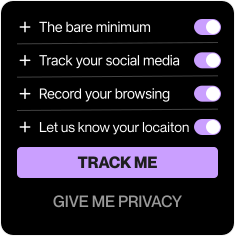
Behind every "limited stock" notification and personalised recommendation lies sophisticated tech that has little to do with fashion and everything to do with behavioural prediction.
People are 2 to 4 times more likely to perform a specific action in an environment containing deceptive patterns.
4x
A crawl of the 200 most popular mobile apps found that 95% used deceptive patterns.
95%
In our study, 70% of Gen-Z participants reported that they had felt either pressured to buy or negatively influenced by deceptive patterns.
70%
deceptive pattern characteristics
Dynamic heading
EXAMPLE
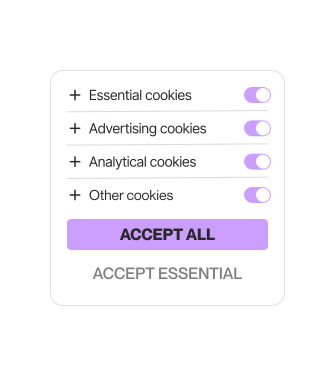
Auto-selecting all cookies or making the option to decline less prominent.
EXAMPLE

A sale or discount that appears to be limited-time, but actually repeats when the consumer refreshes the website’s page.
EXAMPLE
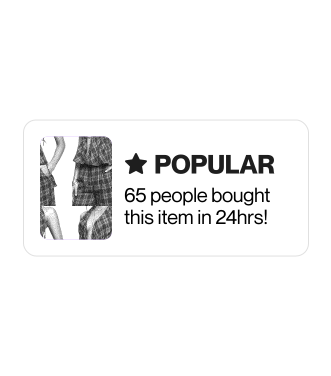
Notifications informing that large numbers of customers have purchased said item.
EXAMPLE
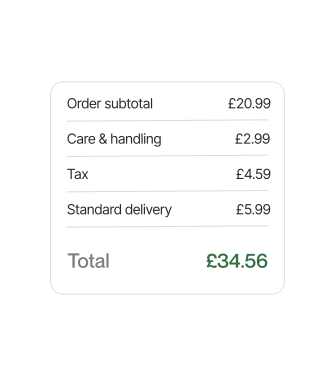
Hidden fees at checkout that are only disclosed after a customer has inputted their details.
EXAMPLE

A website may restrict purchases to an app, so that they they can gather and monetise user data.
EXAMPLE

Advertising embedded into social media, using infinite scroll to keep you engaged.
Dynamic paragraph
LOOKING AHEAD
Governments are cracking down on deceptive patterns in online fashion, with new EU, UK, Indian and French laws targeting manipulative design and pushing brands toward greater transparency.
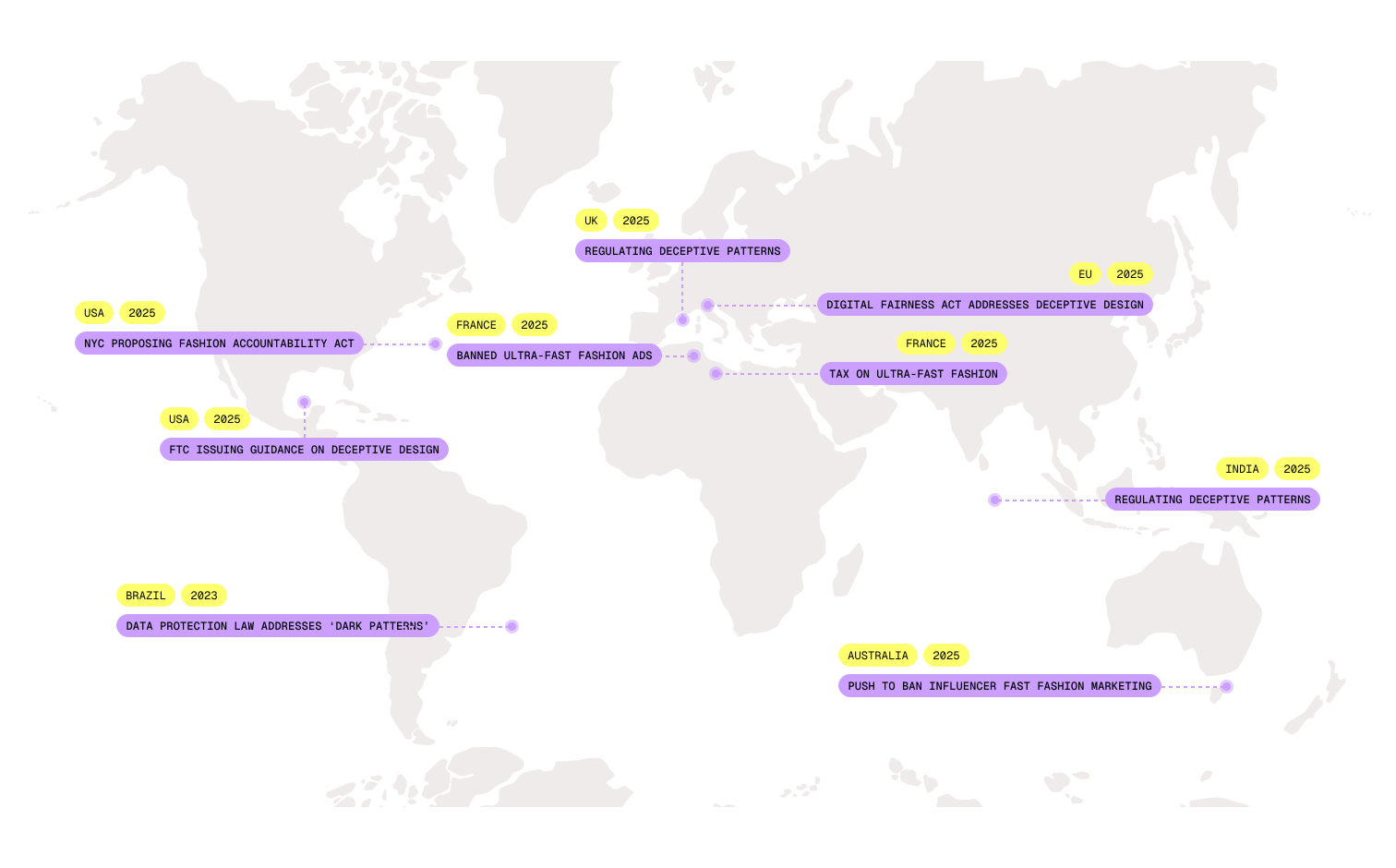
uk
2025
REGULATING DECEPTIVE PATTERNS
france
2025
banned ultra-fast fashion ads
usa
2025
nyc proposing fashion accountability act
usa
2025
ftc issuing guidance on deceptive design
brazil
2023
data protection law addresses 'dark patterns'
eu
2025
digital fairness act addresses deceptive design
france
2025
tax on ultra fast fashion
india
2025
regulating deceptive patterns
austalia
2025
push to ban influencer fast fashion marketing
Progress is being made
Public habits are shifting as regulation catches up

2027
By mid-2027, Digital Product Passports will be mandatory for all textile and apparel products in the EU. Providing detailed lifecycle information across the fashion value chain.
Source
44%
Doubling the lifespan of clothing could reduce greenhouse gas emissions by 44 per cent.
Source
60%
of Gen Z say they've altered spending habits to reduce their environmental impact.
Source
21
countries filed a complaint via the EU consumer protection authorities against SHEIN’s use of deceptive techniques.
Source
77%
of consumers now prioritise how long their clothes will last over being "on trend," and 78% are willing to spend more for better quality and durability.
Source
2025
The Europeean Comission has opened public consultation for the Digital Fairness Act, which will address dark patterns, personalisation, contracts, and influencer marketing.
SourceWhat can be done
Effective solutions combine public knowledge and policy to set a precedent for transparent interfaces that respect user autonomy